Anchorage

Anchorage
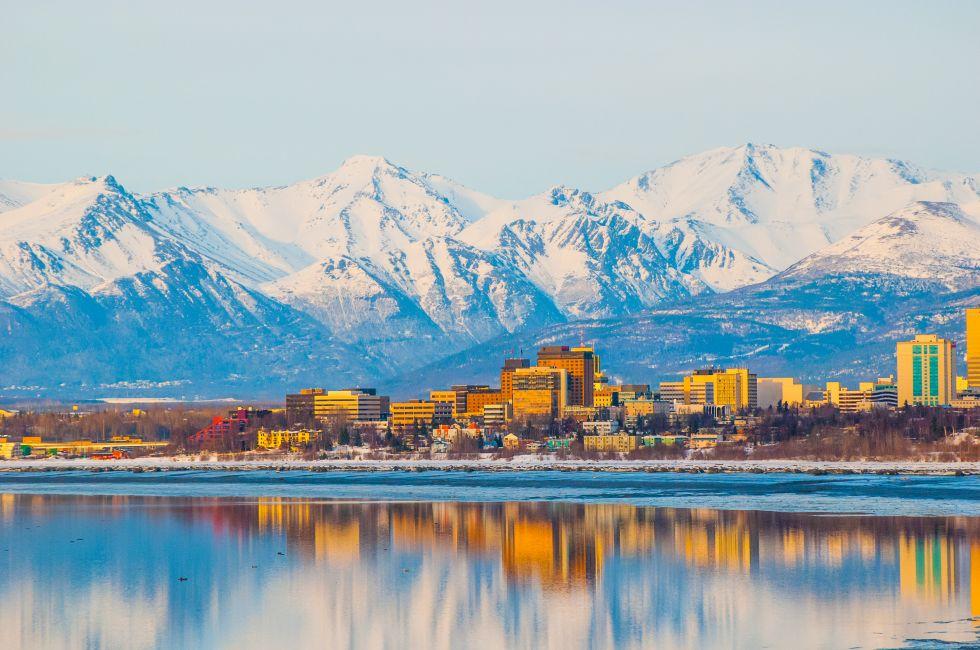
By far Alaska's largest and most sophisticated city, Anchorage is situated in a truly spectacular location, and is the state's medical, financial, and banking center, as well as the home to the executive offices of most of the Alaska Native corporations.
The city has nearly 300,000 people, accounting for roughly 40% of the state's population. The relative affluence of this white-collar city—with a sprinkling of olive drab from nearby military bases—fosters an ever-growing range of restaurants, shops, and first-rate entertainment. The permanently snow-covered peaks and volcanoes of the Alaska Range lie to the west of the city while part of the craggy Chugach Range is within the eastern edge of the municipality; the Talkeetna and Kenai ranges are visible to the north and south. Two...
Read MoreBy far Alaska's largest and most sophisticated city, Anchorage is situated in a truly spectacular location, and is the state's medical, financial, and banking center, as well as the home to the executive offices of most of the Alaska Native corporations.
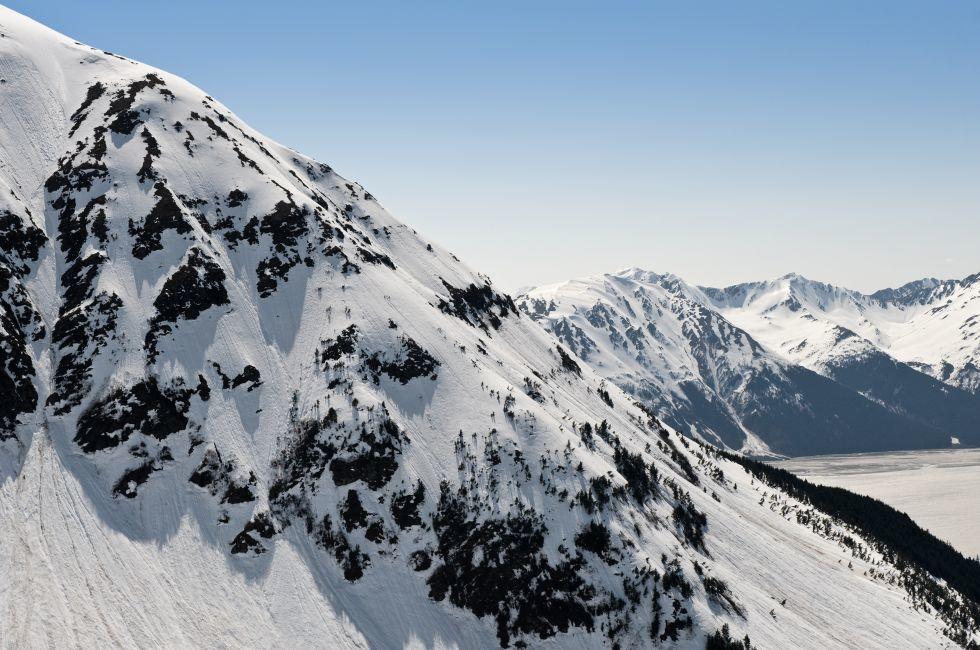
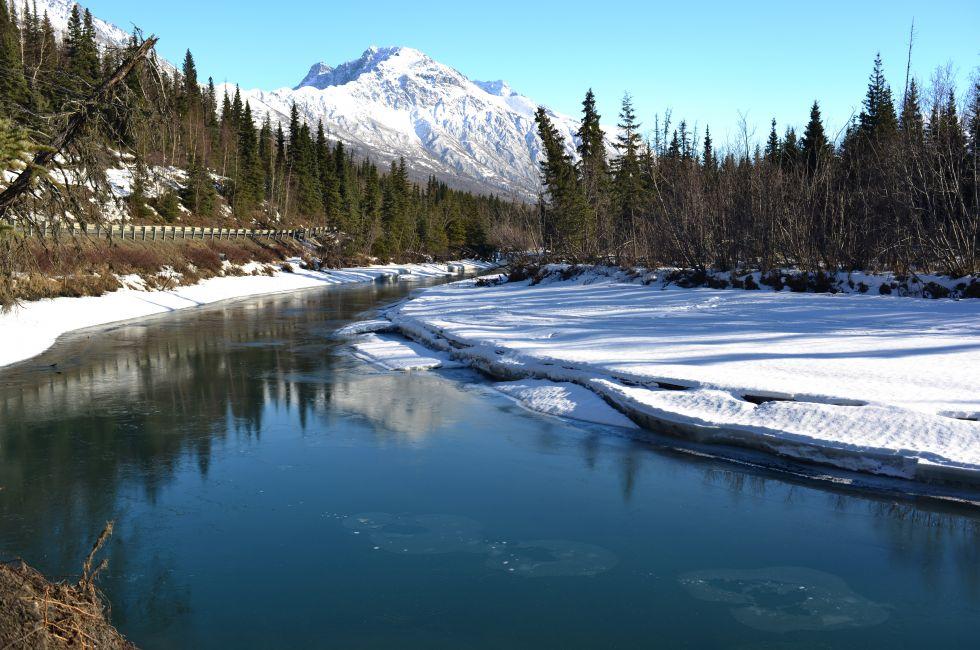
The city has nearly 300,000 people, accounting for roughly 40% of the state's population. The relative affluence of this white-collar city—with a sprinkling of olive drab from nearby military bases—fosters an ever-growing range of restaurants, shops, and first-rate entertainment. The permanently snow-covered peaks and volcanoes of the Alaska Range lie to the west of the city while part of the craggy Chugach Range is within the eastern edge of the municipality; the Talkeetna and Kenai ranges are visible to the north and south. Two arms of Cook Inlet embrace the town's western and southern borders, and on clear days Denali looms on the northern horizon
Dena’ina Athabascan people have lived in this area for more than 1,000 years. Their fish camps once dotted the shores of Cook Inlet, only a short distance from Downtown Anchorage. And yet Anchorage is a young city, incorporated in only 1915. Nearly everything has been built since the 1970s—an Anchorage home dating from the 1950s basically merits historic status. The city got its start with the construction of the federally built Alaska Railroad, completed in 1917, and traces of its railroad heritage remain today. The city's architecture is far from memorable—though it has its quirky and charming moments—but the surrounding mountains make up for it.
Boom and bust periods followed major events: an influx of military bases during World War II; a massive buildup of Arctic missile-warning stations during the Cold War; reconstruction following the devastating Good Friday earthquake of 1964; and in the late 1960s the biggest jackpot of all—the discovery of oil at Prudhoe Bay and the construction of the Trans-Alaska Pipeline. It is no surprise that Anchorage then positioned itself as the perfect home for the pipeline administrators and support industries, and it continues to attract a large share of the state's oil-tax dollars.


Recommended Fodor’s Video
Neighborhoods